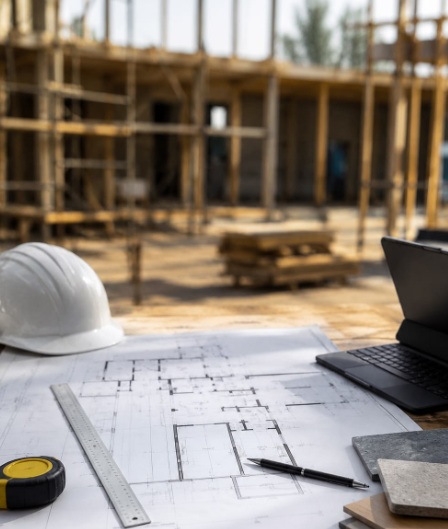
Built Around the Project
Every project requires a different combination of trades, consultants, suppliers, and approvals. Estiha organizes the right people around the needs of the work rather than applying the same structure to every assignment.
This allows us to support both focused improvements and more complex construction projects while maintaining one clear point of contact for the client.

About Estiha
Estiha was established to help property owners, property managers, homeowners, and businesses manage construction with greater clarity and control.
Our work ranges from unit turnovers and targeted property improvements to commercial fit-outs, residential renovations, new construction, and owner-side project management. The scope may change, but our responsibility remains the same: understand what the project requires, organize the work properly, and remain accountable through completion.
Before Construction Begins
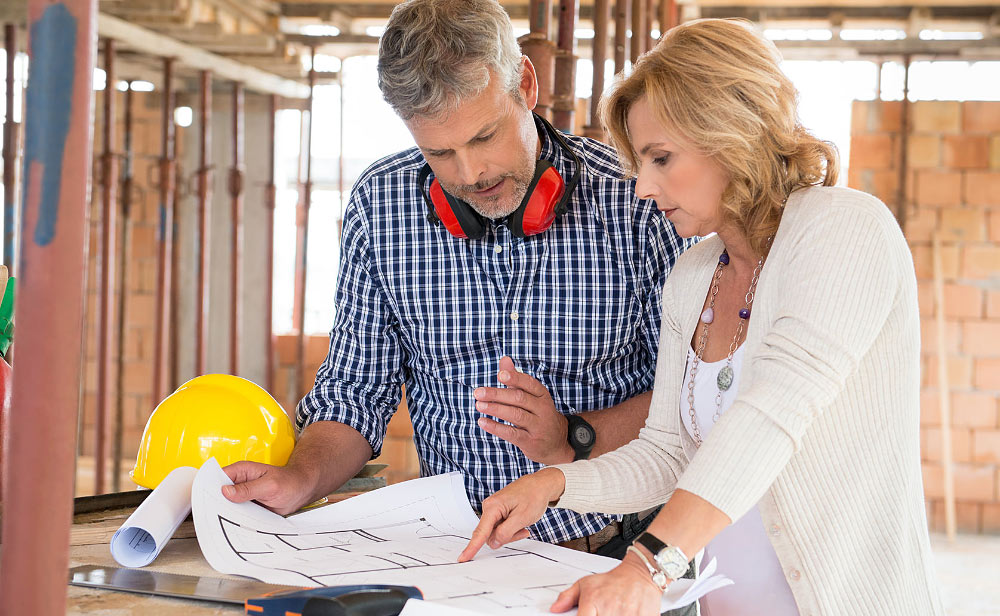
Many construction problems begin before the work reaches the site. An unclear scope, missing information, or decisions made too late can affect pricing, scheduling, and the finished result.
Estiha looks at these details early, identifies what needs to be resolved, and helps establish a clear direction before construction moves forward. Better preparation gives the project a stronger starting point and reduces avoidable changes during the work.
What Clients Can Expect
Clients can expect a clearly defined scope, practical communication, and visibility into the decisions affecting their project. We coordinate the work, follow up on outstanding items, and raise cost, schedule, or construction concerns before they become larger problems.
Our goal is to make the construction process easier to understand and easier to manage—from the first conversation through completion.
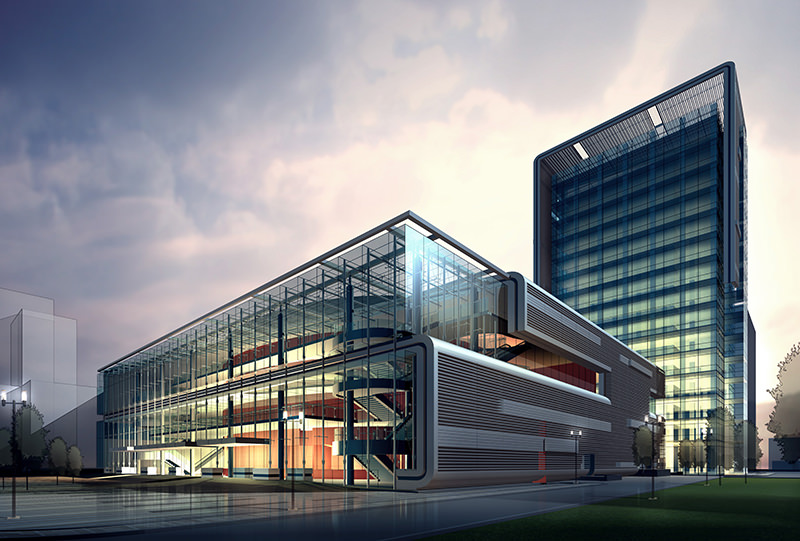
A successful project should leave more than completed construction. It should create a space that works well, supports its intended use, and continues to serve the property over time.
That is why we consider how the finished space will be occupied, operated, and maintained—not only how the work will be completed. The result is construction shaped around what comes next.